Its chemical structure is remarkably similar to substances that our own bodies naturally produce. THC — short for delta-9-tetrahydrocannabinol, is one of 125 or so cannabinoids that have been isolated from Cannabis sativa L., which includes both hemp and cannabis varieties (though hemp produces almost zero detectable vape thc THC). THC has been historically often linked to the intoxicating effects of recreational cannabis usage, but there is a little , or actually, a lot, more to the story… The carcinogenicity of THC in the studied populations of so-called “heavy users” remains dubious due to various confounding variables, most significantly concurrent tobacco use. Preliminary research indicates that prolonged exposure to high doses of THC may interfere with chromosomal stability, which may be hereditary as a factor affecting cell instability and cancer risk. The pathway for THCA biosynthesis is similar to that which produces the bitter acid humulone in hops.
It was not until the 1990s that this same team discovered why we have these receptors in our brain.1 They discovered compounds produced by our bodies that fit into these receptors which they named anandamides, a Sanskrit word for “supreme joy.” These receptors are found all over the brain and are still called endocannabinoid receptors but that is not because they are meant for people to take in THC. Stress and anxiety disorders affect more than 284 million people worldwide. Chronic pain affects nearly 20% of the global adult population, making it one of the most common health issues. Here are key questions about cannabis and health according to recent research, along with a look at how weed delivery Citrus Heights can make access more convenient for residents, plus answers to common questions and insights into safe use. In addition — CBD may offer some benefits in treating symptoms of depression, anxiety, insomnia, and schizophrenia, though it has yet to be approved by the FDA for these uses.
These side effects may differ from individual to individual — and it’s possible that you won’t experience any at all. Interestingly, persistent cravings and strong compulsions to reuse were reported by some individuals a week after cessation, while others experienced withdrawal symptoms like nausea, headache, and vomiting.23 A clear — energizing, and brief experience is produced by THCV. Experienced consumers with a keen awareness of their own tolerance are best suited for concentrates. Inhalation results in a less intense effect compared to the more prolonged and stronger experience produced by the digestive process.
Potential Dangers and Lasting Consequences of Marijuana
A lighter experience is generated by lower temperatures ranging from 350 to 370°F. The quick onset allows you to assess your experience and make real-time adjustments. Dramatically different experiences can be produced by the same type and quantity of THC, contingent on your method of consumption. Below is a comparison of how each of the six primary types affects the experience they create.
Are cannabis products safe to use as medicines?
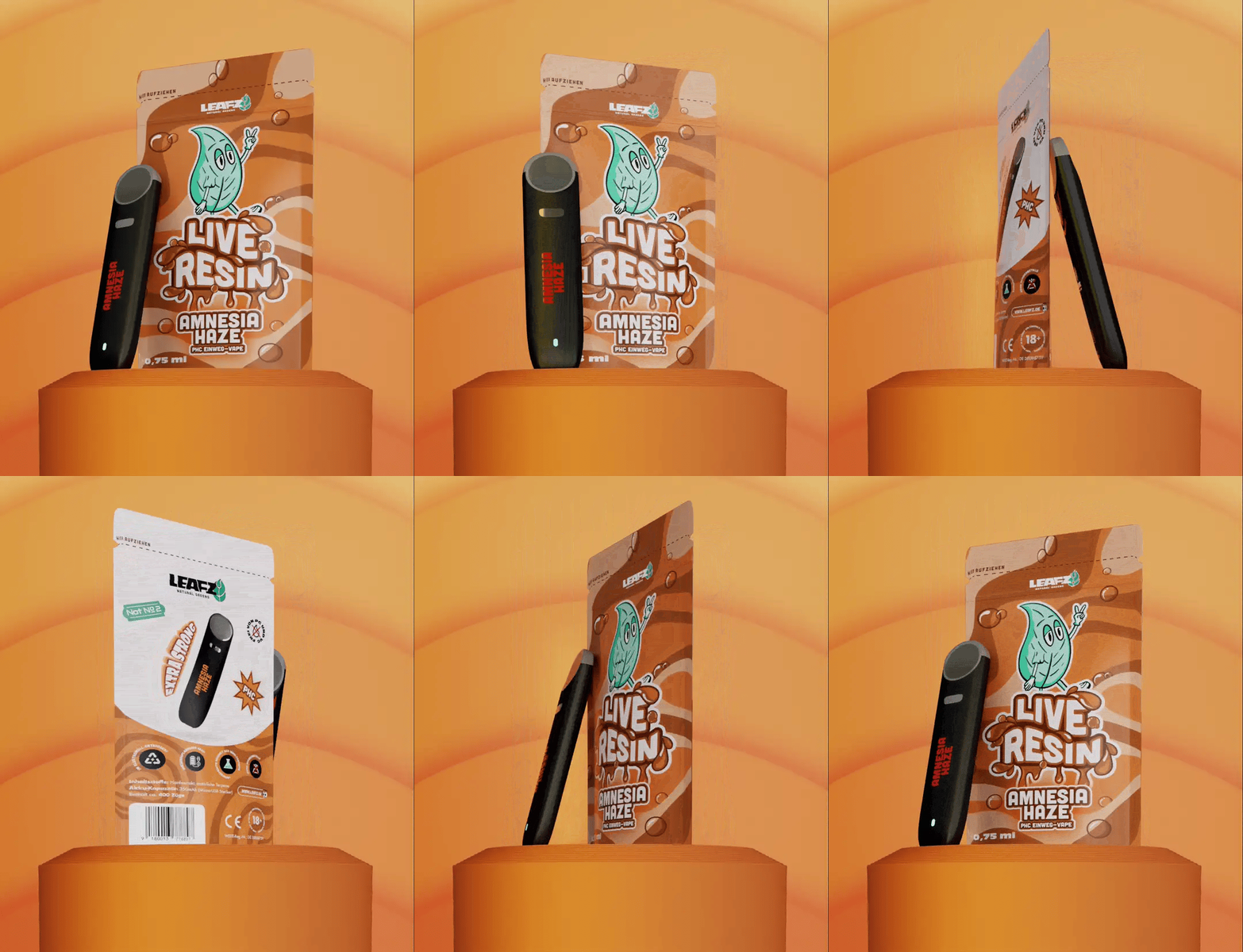
Reportedly (the ice cream cake strain helps alleviate stress), anxiety, and pain for some individuals, but these effects have yet to be confirmed by research. Relief from anxiety — insomnia, and medication-induced appetite loss is reported by some users. While cannabis might assist certain individuals in reducing their use of opioids and alcohol, excessive consumption or misuse can lead to a cannabis use disorder. Cannabis and its products are frequently utilized by many individuals as treatments for chronic pain (mental health issues), and multiple sclerosis.
What are the Methods for Assessing the Quality of Hemp Buds?
A significant 37.7% reduction was also observed in the placebo group, indicating that the groups’ differences weren’t statistically significant. A reduction in seizure frequency of 40.5% from baseline was experienced by participants receiving CBDV during the treatment phase. Researchers are still exploring how its effects vary with different doses and formulations, as its pharmacology differs from that of delta-9 THC. When THC was administered to participants afterward, THCV also diminished the perceived strength of certain THC effects.
Some marijuana users (especially those already at risk), are suggested by research to be more predisposed to developing schizophrenia. If a family history of addiction exists or if you suffer from mental health conditions like depression and schizophrenia (it’s essential to carefully assess the suitability of cannabis for you), especially Type I cannabis. Cannabis use disorder (CUD) is relatively uncommon — with an estimated one in ten cannabis users potentially experiencing it at some stage in their cannabis journey. The same principle applies to ingested cannabis; however (in this case), you’ll need to wait 2-3 hours to evaluate the effects, since edibles take longer to produce results. THC typically reaches peak blood levels after about 15 minutes, suggesting that the effects are unlikely to increase significantly beyond this point.
One study estimated that 12.1% of people who frequently use cannabis experience cannabis withdrawal.66 Withdrawal symptoms may include anger (irritability), aggression, feeling nervous or anxious, restlessness, decreased appetite or weight, depression, insomnia, experiencing strange or unsettling dreams, headaches, sweating, abdominal pain, and tremor. Cannabis use disorder can be diagnosed as mild (when a person has two or three of these symptoms), moderate (four or five of these symptoms), or severe (six or more of these symptoms). The Diagnostic and Statistical Manual of Mental Disorders — Fifth Edition (DSM-5)—a reference text published by the American Psychiatric Association that health professionals use to diagnose substance use disorders and other psychiatric disorders—defines cannabis use disorder as a pattern of use that leads to clinically significant impairment or distress.

At The Distro (our cannabis specialists can help you find products that match your goals—be it relief), creativity, sleep, or simply enjoyment. When smoked or vaped, Delta 9 THC effects generally last between 2 and 4 hours, while those from edibles can persist for 6 to 8 hours. Let’s delve deeper into the impact of THC on your brain and body. A diverse range of THC and CBD blends is available at The Distro to help you achieve your preferred experience. The choice between THC and CBD often hinges on individual objectives.
Cannabis regulations differ significantly from one country to another. The prescription medication Epidiolex, which is CBD-based, is well recognized for its effectiveness in reducing certain types of seizures. Some individuals even encounter withdrawal symptoms in the absence of cannabis, including mood swings, irritability, and reduced appetite. Comprehensive large-scale long-term studies involving humans are essential to gain a full understanding of the long-term effects of cannabis use. Here’s a brief overview of popular strains and their potential effects. These are general categories designed to indicate the different effects of various cannabis products.
